Learn More About Urethane Cement
A High-End Epoxy Flooring Option for Commercial Kitchens
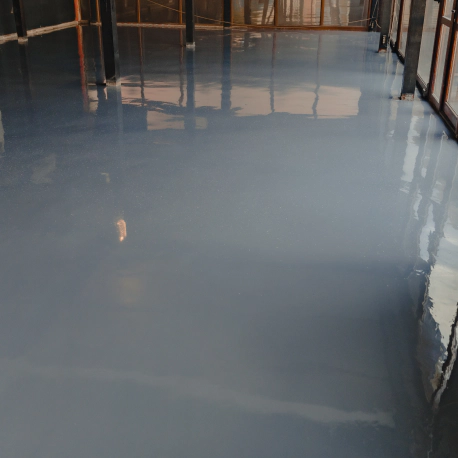
Urethane cement is a high-performance, industrial-grade coating known for its strength, flexibility, and moisture resistance. Commonly used in commercial kitchens, it’s the go-to solution when sanitation, durability, and slip resistance are a must. As an experienced flooring contractor, we often recommend urethane cement coating for areas that require long-lasting performance under extreme conditions.
This system can be used to resurface and repair damaged floors in both residential and commercial spaces. Our urethane concrete floor coating is made of 100% solids, meaning it won’t shrink, crack, or peel as it cures. It’s tough enough to withstand constant foot traffic, forklifts, and other heavy machinery. Waterproof and chemical-resistant, it’s also ideal for outdoor surfaces like sidewalks, driveways, and patios that need protection from the elements.
We’re proud to be a trusted flooring contractor serving Mountain View, CA and nearby areas. Whether you need a fresh install or a full resurfacing with urethane concrete coating, we’re here to help. Reach out today with your questions or to schedule a consultation. Let’s upgrade your floors with a seamless, high-performance finish that lasts!
Things to Prepare Before Hiring a Flooring Contractor
- Define Your Flooring Needs: Determine the type of flooring you want, whether it’s a durable urethane concrete floor coating for commercial spaces or a urethane cement coating for industrial environments.
- Set a Budget: Establish a realistic budget that covers materials, labor, and any additional services the flooring contractor may provide.
- Research Contractors: Look for experienced flooring contractors with positive reviews and a portfolio showcasing projects similar to yours.
- Check Certifications and Insurance: Ensure the flooring contractor is licensed, certified, and insured to protect yourself from liability.
- Prepare Your Space: Clear the area and make necessary repairs to the subfloor to ensure the flooring contractor can apply urethane concrete floor coating or urethane cement coating effectively.
- Ask Questions: Clarify timelines, warranties, and maintenance requirements before the project begins.
FAQs About Urethane Cement Installation
1. What is urethane cement, and how is it different from epoxy?
Urethane cement is a high-performance flooring system made from urethane resin mixed with cement and aggregates. Unlike traditional epoxy, it’s thicker, more impact-resistant, and has built-in thermal and chemical resistance. It’s ideal for extreme environments like commercial kitchens, breweries, and food processing plants.
2. Where is urethane cement most commonly used?
Urethane cement is mainly used in commercial kitchens, industrial facilities, manufacturing plants, and food-grade environments. These areas require flooring that can withstand high moisture, thermal shock, constant foot traffic, and chemical spills. It’s built to perform where other systems fail.
3. How long does urethane cement flooring last?
With proper installation, urethane cement can last 15–20 years or longer. It’s designed to withstand extreme wear and tear, making it one of the most durable options on the market. Its built-in strength makes it ideal for areas with heavy machinery, carts, and daily cleaning.
4. Does urethane cement have a moisture barrier?
Yes, urethane cement is naturally moisture-tolerant and often acts as its own vapor barrier. Unlike epoxy, which may require additional primers to block moisture, urethane cement bonds directly to damp concrete, reducing the risk of bubbling, peeling, or delamination over time.
5. How long does it take to install urethane cement flooring?
Most urethane cement installations take 2–3 days, depending on square footage and surface prep. It cures quickly, often within 24 hours, which minimizes downtime for commercial businesses. This makes it an excellent choice for fast-paced facilities needing a quick turnaround.
6. Can urethane cement handle high temperatures?
Yes, one of the biggest benefits of urethane cement is its thermal shock resistance. It can withstand extreme temperature changes, hot water washdowns, and steam cleaning without cracking. That’s why it’s commonly used in kitchens and facilities with heat exposure.
7. Is urethane cement resistant to chemicals and oils?
Absolutely. Urethane cement resists harsh chemicals, oils, grease, and acidic substances that would damage other flooring. This makes it ideal for food and beverage plants, chemical storage areas, and automotive shops where spills and splashes are routine.
8. Can urethane cement be installed on old or damaged concrete?
Yes, but the surface must be properly prepped. Cracks or spalled areas are repaired first, then the urethane cement coating is applied to create a seamless, durable surface. It’s a great option for rejuvenating worn concrete without the need to repour.
9. Is urethane cement flooring slip-resistant?
Yes, it can be customized with textured finishes or non-slip additives for enhanced traction. This is especially important in wet or greasy environments like commercial kitchens. Our team adjusts the finish based on the needs of your space and safety standards.
10. Why choose urethane cement over other flooring systems?
Urethane cement offers unmatched durability, moisture resistance, and chemical protection in a single system. It lasts longer than standard epoxy, requires less maintenance, and withstands extreme conditions. It’s the high-end choice for businesses that need reliable, long-term flooring performance.